
What Master Policy Gap Coverage Means for Plainview, NY Condo Owners
Master Policy Gap coverage is designed to help when a condo association's master policy does not fully cover damage tied to your unit or when the governing documents make you responsible for part of the restoration. In Plainview, NY, many condo owners assume the building's policy covers everything inside their walls, but that is often not the case. Some master policies stop at the original construction, some exclude upgrades, and others pass large deductibles back to unit owners. This coverage matters because one water loss, fire claim, or common-area incident can create out-of-pocket costs for flooring, cabinets, fixtures, paint, and even assessment-related expenses that the association does not absorb.
Why Master Policy Gap Coverage Matters in Plainview, NY
Plainview condo owners face a mix of risks that make coverage gaps more than a technical issue. Multi-unit living means water from an upstairs leak can affect several homes at once, and winter pipe freezes, kitchen fires, storm-driven rain, and electrical losses can trigger disputes over who pays for what. On Long Island, repair costs for labor and materials can also be higher than many owners expect, so even a modest gap in the association policy can turn into a meaningful bill. Condo boards in Plainview, as well as nearby Bethpage, Hicksville, and Levittown, may carry different master policy forms and deductibles. That is why it is important to review bylaws, insurance certificates, and unit responsibility language before assuming the association policy is enough.
What Master Policy Gap Coverage Typically Covers
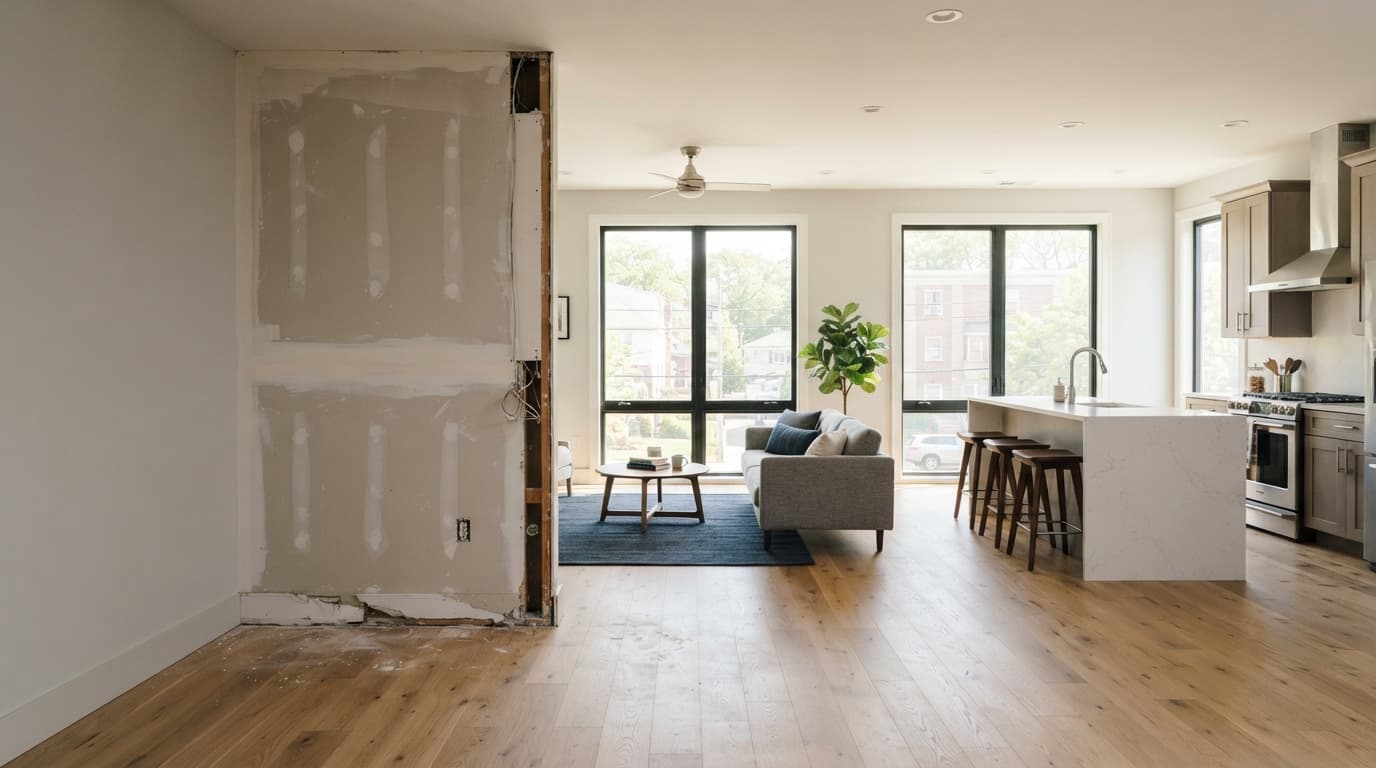
Master Policy Gap coverage can help pay for the difference between what the condo association insures and what you must repair or replace inside your unit after a covered loss. That can include interior walls, built-in cabinets, countertops, flooring, lighting, plumbing fixtures, appliances, and improvements you made after purchase, depending on the policy language. It may also help when the master policy deductible is assessed back to unit owners or when the association policy only covers bare walls and common elements. For Plainview, NY condo owners, this is especially important in buildings where owners have upgraded kitchens, bathrooms, hardwood flooring, or custom finishes. The more your unit differs from original developer-grade materials, the more important it is to align your personal condo policy with the master policy.
Key Benefits of Master Policy Gap Coverage
- Helps cover interior repair costs when the condo association policy stops short
- Can protect upgrades such as flooring, cabinets, countertops, and fixtures
- May reduce out-of-pocket expense from large master policy deductibles
- Supports better coordination between your HO-6 condo policy and association coverage
- Useful for owner responsibility issues created by condo bylaws and declarations

Factors That Affect Master Policy Gap Coverage Rates in Plainview, NY
Rates for Master Policy Gap coverage depend on how your condo association's insurance is written and how much financial responsibility can shift to you. In Plainview, NY, insurers often look at the building age, construction type, claim history, fire protection, loss prevention features, and whether the association policy is all-in, single-entity, or bare-walls. They also consider the replacement cost of your unit's interior finishes, any recent renovations, your selected deductible, and the amount of loss assessment or building property coverage added to the HO-6 policy. A condo in Plainview with custom upgrades may need higher limits than a similar unit with original finishes. Similar rating concerns can apply in nearby Farmingdale, Syosset, and Woodbury, where building style and association rules vary from one community to the next.
How Claims Work When There Is a Master Policy Gap
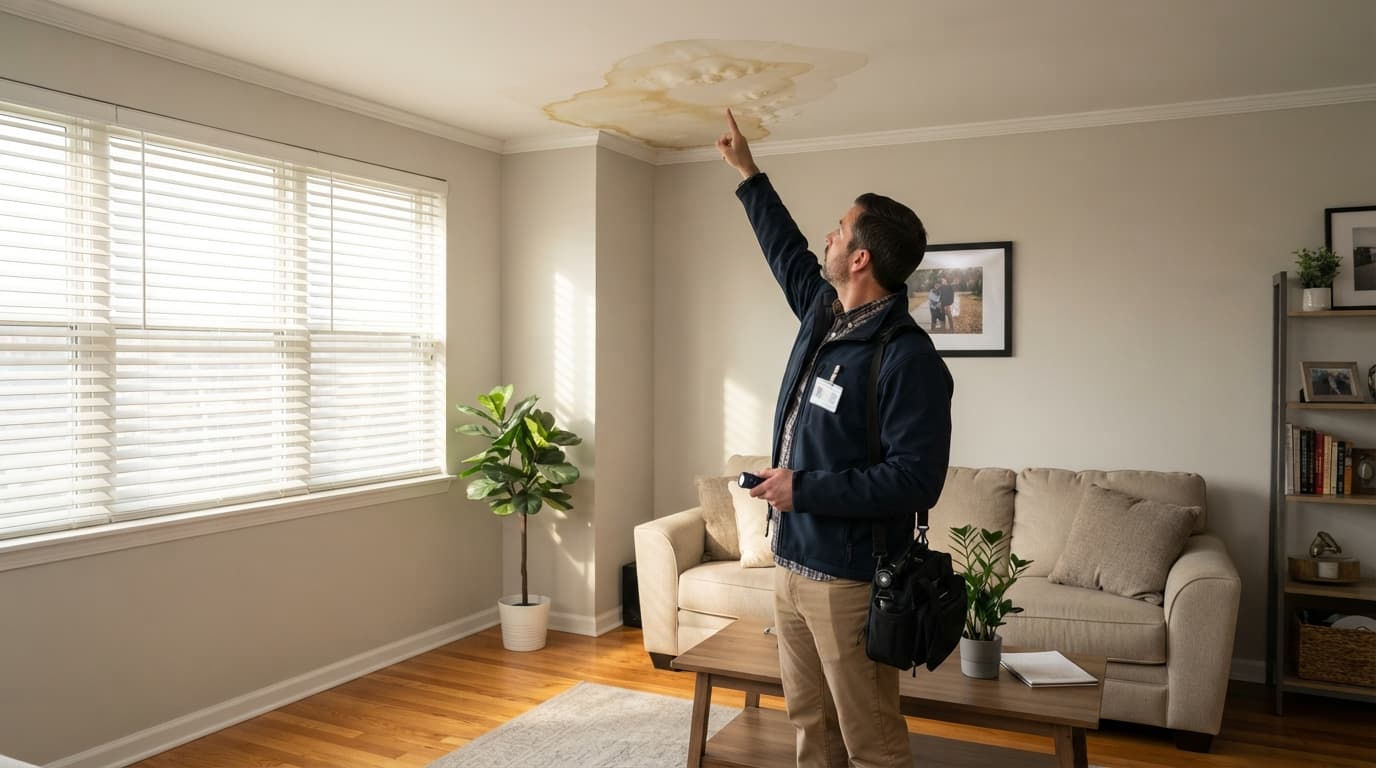
When damage happens, the first step is usually determining whether the loss begins under the association master policy, your individual condo policy, or both. In a Plainview condo claim, that often means reviewing the association documents, the cause of loss, and the exact location of the damage. The association may file under its master policy for common elements or structural portions, while the unit owner files under the HO-6 policy for personal property, betterments, and owner-responsible building items. If a coverage gap appears, documentation becomes critical. Photos, repair estimates, association notices, and a copy of the bylaws can all help clarify responsibility. Claims move more smoothly when the unit owner reports the loss quickly, prevents further damage, and keeps a written record of communication with the board, property manager, and insurance carriers.
Common Mistakes and Misconceptions About Master Policy Gap Coverage
A common mistake is assuming the HOA policy covers everything from the studs inward. In reality, many condo associations insure only certain structural elements or only the original unit buildout. Another misconception is that the same coverage rules apply in every building across Plainview, NY. They do not. One community's bylaws may assign more responsibility to the owner than another community just a few blocks away. Owners also sometimes overlook improvements they made after moving in, such as remodeled baths or upgraded kitchens, which may not be covered by the association policy. Another issue is ignoring loss assessment exposure when a shared claim affects multiple units. Condo owners in Plainview and nearby Jericho, Melville, and Huntington are usually better protected when they compare their HO-6 policy directly against the master policy rather than treating either document in isolation.
Choosing the Right Master Policy Gap Coverage Level in Plainview
The right coverage level starts with knowing exactly what the condo association insures and what the bylaws say the owner must restore after a loss. For a Plainview, NY condo, that usually means estimating the replacement cost of interior components such as flooring, drywall finishes, built-ins, kitchen and bath features, and any betterments or improvements. It also helps to look at the master policy deductible, because a large deductible can create a real financial burden if part of it is assessed to unit owners. Choosing limits based only on purchase price can leave gaps, especially in a Long Island market where labor and material costs are significant. Condo owners in Plainview, Oyster Bay, Massapequa, Wantagh, and Seaford often benefit from a careful review of unit features, association rules, deductible options, and loss assessment needs before setting final limits.
Getting Master Policy Gap Coverage in Plainview, NY
Getting covered starts with gathering the condo association's master policy summary, declarations, and bylaws so the unit policy can be matched to real owner responsibilities. In Plainview, NY, the most useful next step is a line-by-line review of what the association covers, where exclusions begin, and how deductibles or assessments may be charged back. From there, coverage can be tailored for interior building property, betterments and improvements, personal property, liability, and loss assessment needs tied to the master policy gap. This resource is built for condo owners in Plainview and surrounding communities including Bethpage, Hicksville, Levittown, Farmingdale, and Syosset who want clearer answers before a claim happens. A well-structured condo policy can help turn confusing bylaw language into practical financial protection.
Condo Coverage Questions
Cost depends on the condo association's master policy, your unit's interior value, building characteristics, claim history, and the limits added to your HO-6 policy. In Plainview, NY, owners with upgraded interiors or exposure to high master policy deductibles may need higher limits, which can raise premium.
It helps cover repair or restoration costs that the association master policy does not fully pay. That can include interior finishes, betterments and improvements, owner-responsible building items, and in some cases deductible or assessment-related exposure depending on policy terms.
Many condo owners do. In Plainview, master policies often do not cover every part of the unit interior, and bylaws may shift certain costs back to the owner. If your unit has upgrades or the association carries a large deductible, this coverage can be especially valuable.
Start by reviewing the association bylaws and master policy summary, then compare them to your current HO-6 condo policy. The goal is to identify owner responsibility for interior restoration, improvements, and assessments so coverage can be adjusted to fit your building.
Yes, it may help depending on how your condo policy is written and the circumstances of the loss. In Plainview, NY, some associations pass parts of the master policy deductible to owners, so it is important to review loss assessment and related coverage options carefully.
Get a Plainview Quote
See condo coverage options built for Plainview owners in a few quick steps.